Navigating the U S Iran Conflict Is There a Path to Peace in Late 2026
Bud Ayer
London, UK - The U.S.–Iran conflict has reached a critical point following the military escalation that began on February 28, 2026. Joint U.S.-Israeli strikes targeted Iranian command infrastructure and key leadership, setting off a chain of events that have left the region in a tense and fragile state. Diplomatic efforts have stalled, maritime blockades persist, and the risk of further escalation remains high. This post explores the current strategic dynamics, the ongoing crisis in the Strait of Hormuz, the impact on Iran’s leadership, and possible scenarios for the conflict’s trajectory in late 2026.

Key Strategic Dynamics
Diplomatic Stalemate and the Expired Memorandum of Understanding
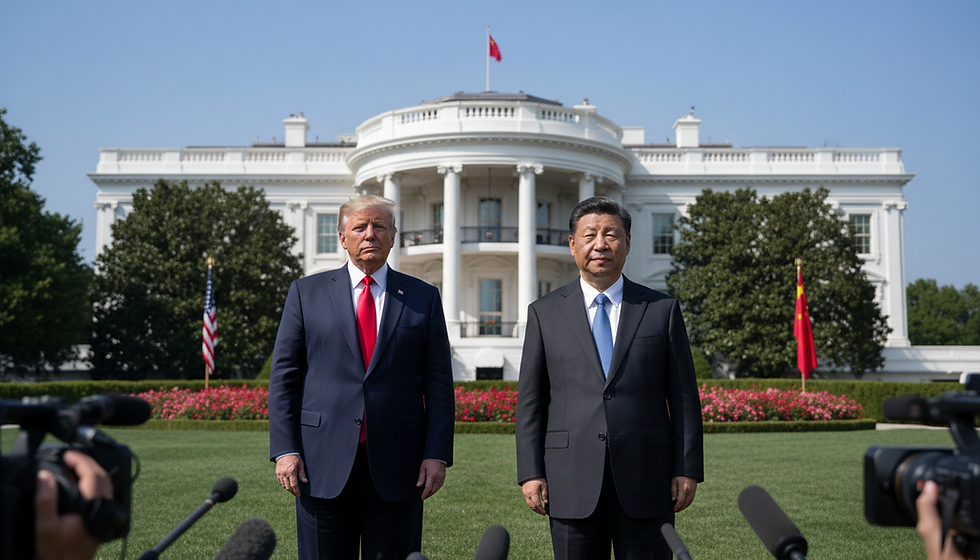
The June 17 Islamabad Memorandum of Understanding (MOU), signed remotely by U.S. President Donald Trump and Iranian President Masoud Pezeshkian, set a 60-day deadline for resolving core issues. This deadline has passed without a comprehensive agreement. Technical negotiations held in Switzerland failed to bridge major differences, especially regarding Iran’s nuclear enrichment limits and maritime access rights.
The expiration of the MOU leaves both sides entrenched in their positions. The U.S. demands strict, long-term constraints on Iran’s nuclear program and freedom of navigation through the Strait of Hormuz. Iran insists on sovereignty over its waters and rejects limitations that could undermine its strategic autonomy. This diplomatic deadlock fuels uncertainty and increases the risk of further conflict.
The Strait of Hormuz Crisis
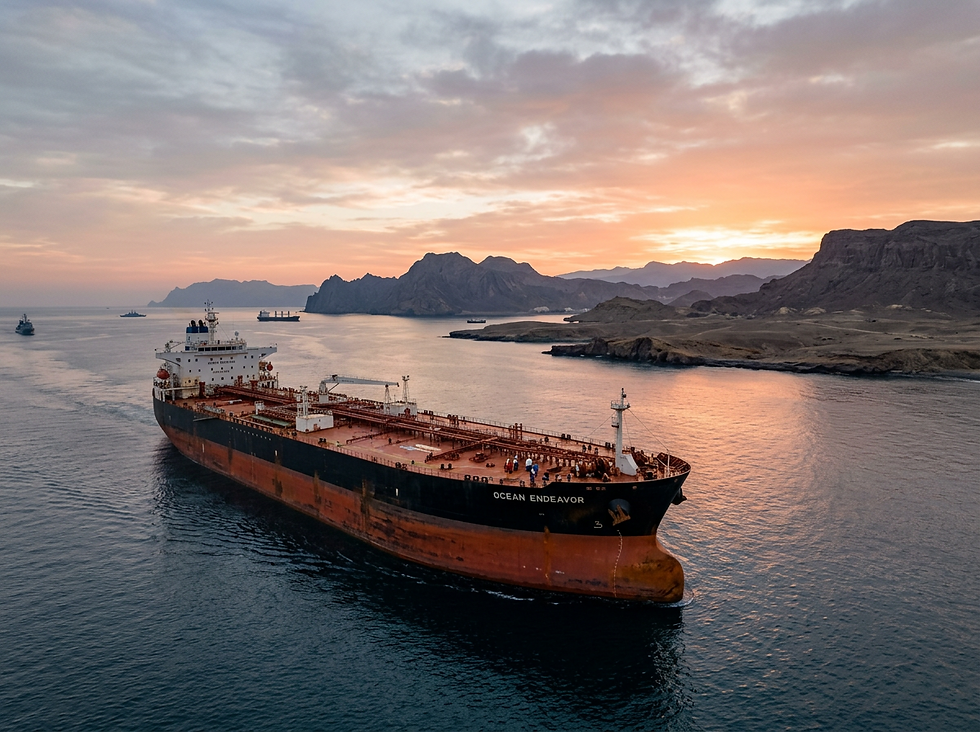
The Strait of Hormuz remains the central operational flashpoint. This narrow waterway handles about 20% of the world’s oil shipments, making it a critical artery for global energy supplies. Iran’s attempts to restrict passage through the strait have triggered a U.S. naval blockade on Iranian ports.
This standoff causes sharp fluctuations in crude oil prices. Markets react strongly to any surge in tensions, with prices spiking during confrontations and dropping when ceasefires or temporary agreements are announced. The blockade disrupts shipping routes and heightens the risk of accidental clashes, which could escalate into broader conflict.
Decapitated Leadership and the IRGC’s Shift
The initial strikes severely damaged Iran’s top political and military command. The Islamic Revolutionary Guard Corps (IRGC), a powerful force within Iran, has shifted its focus inward. Its priorities now include regime survival and managing domestic unrest, which limits its ability to project power abroad or support regional proxies.
This inward turn reduces Iran’s conventional military threat but increases the potential for asymmetric tactics such as cyberattacks, proxy skirmishes, and targeted strikes. The IRGC’s constrained resources and focus on internal stability create a complex environment for both Iran and the U.S. to navigate.
Conflict Scenarios for Late 2026
1. Controlled Attrition or "No War, No Peace" (Most Likely)
Neither side wants a full-scale land invasion, but neither is willing to accept the other’s core demands. This scenario involves ongoing low-intensity conflict, including proxy exchanges, cyber warfare, and targeted air strikes around the naval blockade.
Impact: Prolonged uncertainty for global shipping and energy markets.
Energy markets: Continued volatility with price spikes during flare-ups.
Sanctions: Persistent economic pressure on Iran.
Regional stability: Ongoing risk of localized clashes.
2. Mediated De-escalation
Regional actors such as Pakistan, Oman, and the UAE may broker a limited agreement to reduce tensions. This could involve easing the naval blockade in exchange for Iran’s commitment to allow safe passage through the Strait of Hormuz.
Impact: Temporary relief for global energy markets.
Diplomatic progress: Opens the door for renewed negotiations.
Limitations: Fragile and dependent on regional cooperation.
3. Escalation to Wider Conflict
If provocations increase or miscalculations occur, the conflict could escalate beyond naval and proxy engagements. This might include limited ground operations or expanded air strikes.
Impact: Severe disruption to global oil supplies.
Human cost: Increased casualties and regional instability.
Global response: Potential involvement of other powers.
What Lies Ahead?
The U.S.–Iran conflict in late 2026 remains at a precarious crossroads. The failure of diplomatic efforts and the ongoing naval standoff in the Strait of Hormuz create a volatile environment. The IRGC’s inward focus limits Iran’s conventional military options but does not eliminate the risk of asymmetric attacks.
For global energy markets and regional stability, the most likely outcome is a prolonged period of controlled attrition. This means continued uncertainty, with occasional flare-ups and temporary ceasefires. Regional mediators could play a crucial role in preventing escalation, but any agreement will require compromises that neither side has yet shown willingness to make.
Understanding these dynamics is essential for policymakers, businesses, and observers who track the impact of this conflict on global security and energy supplies. The path to peace will require sustained dialogue, trust-building, and a willingness to address the core issues that have stalled negotiations so far.
The situation calls for vigilance and pragmatic engagement to avoid further escalation and to seek a durable resolution that respects the interests of all parties involved.