Iran: Strait of Hormuz Open! Oil Prices Tumble!
M.A. Dworkin

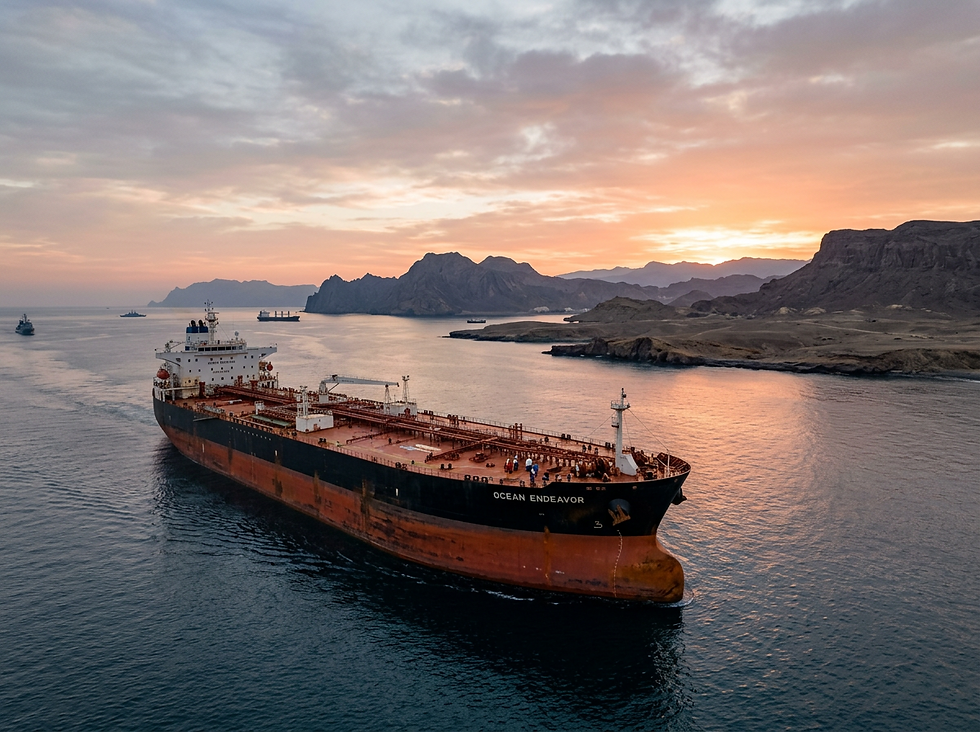
Middle East - Iran has declared the Strait of Hormuz “completely open” for commercial shipping for the duration of a 10-day Lebanon-Israel ceasefire, easing global energy supply fears. Iran’s Foreign Minister Abbas Araghchi stated that vessels must use a coordinated route, often near the Iranian coast as announced by Ports and Maritime Organisation of the Islamic Republic of Iran.
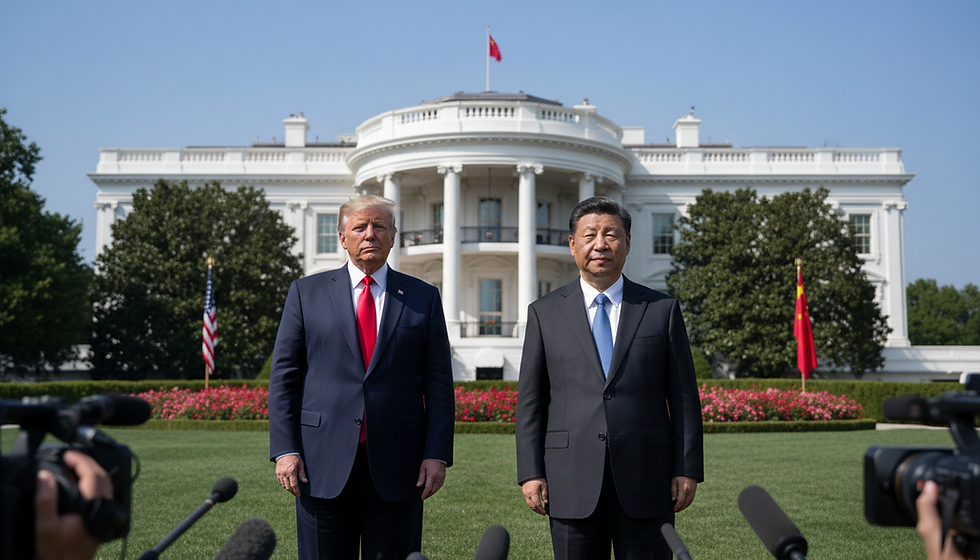
President Trump welcomed the move but said the U.S. naval blockade would remain in place until a peace deal was reached with Tehran.
“Iran has just announced that the Strait of Iran is fully open and ready for full passage. Thank you!” Trump wrote on Truth Social. “The naval blockade will remain in full force and effect as it pertains to Iran, only, until such time as our transaction with Iran is 100% complete.”
Trump rejected an offer from NATO to help secure the Strait after Iran said it had reopened it, telling the U.S.-led alliance to “Stay Away.”
“Now that the Hormuz Strait situation is over, I received a call from NATO asking if we would need some help. I told them to stay away, unless they just want to load up their ships with oil,” Trump posted. “They were useless when needed, a Paper Tiger!”
French President Emmanuel Macron and UK Prime Minister Keir Starmer were chairing a meeting of allies Friday to consider sending a multinational force to ensure free-flowing trade in the Strait of Hormuz once the conflict ends.
The initial two-week ceasefire agreement which was brokered by President Trump is due to expire on April 26, 2026, but could be extended by mutual consent.
“May have been a historic day for Lebanon. Good things are happening,” Trump posted, noting the truce includes Hezbollah. “I hope Hezbollah acts nicely and well during this important period of time. It will be a GREAT moment for them if they do…No more killing. Must finally have PEACE!”
The ceasefire followed an intense week of diplomacy. It comes after six weeks of fighting between Israel and the Iran-backed Lebanese group, Hezbollah. In its war on Lebanon, Israel has killed over 2,000 people and displaced more than one million.
Ali Fayyad, a Hezbollah politician stated the group will approach the newly announced ceasefire with “caution and vigilance” and any targeting of Lebanese sites by Israeli forces will constitute a breach of the truce.
“The next phase is thorny and fraught with pitfalls and challenges,” Fayyad said, adding that the “worst-case scenario” for Lebanon would be the resumption of civil strife.
Israel has demanded that the Lebanese government disarm Hezbollah, which refuses to give up its arms as long as Israeli forces remain in Lebanon and pose a threat to the country.
Israel’s Prime Minister Benjamin Netanyahu said his government now has the opportunity to “make a historic deal with Beirut” but that its forces would remain in Lebanon with an extensive security zone up to the Syrian border. He highlighted that Israel’s key demand remains the disarmament of Hezbollah and said that Israel would not agree to Hezbollah’s request that it withdraw troops beyond its border.
Oil prices plunged more than 11% in hopes that the ceasefire would lead to a permanent peace between Israel and Lebanon’s militant terrorist group Hezbollah.
Around 20% of the world’s oil and liquefied gas is typically transported through the Strait of Hormuz, and its closure has had major impacts worldwide since the start of the U.S.-Israeli-Iran conflict at the end of February 2026.