World Ocean School Sets Sail for St Croix This Fall Aboard the Denis Sullivan
Axel Dash
Boston, MASS - A tall ship changes the way learning feels. A lesson on wind becomes a line in hand. A conversation about teamwork becomes a watch on deck. A map becomes a route across open water.
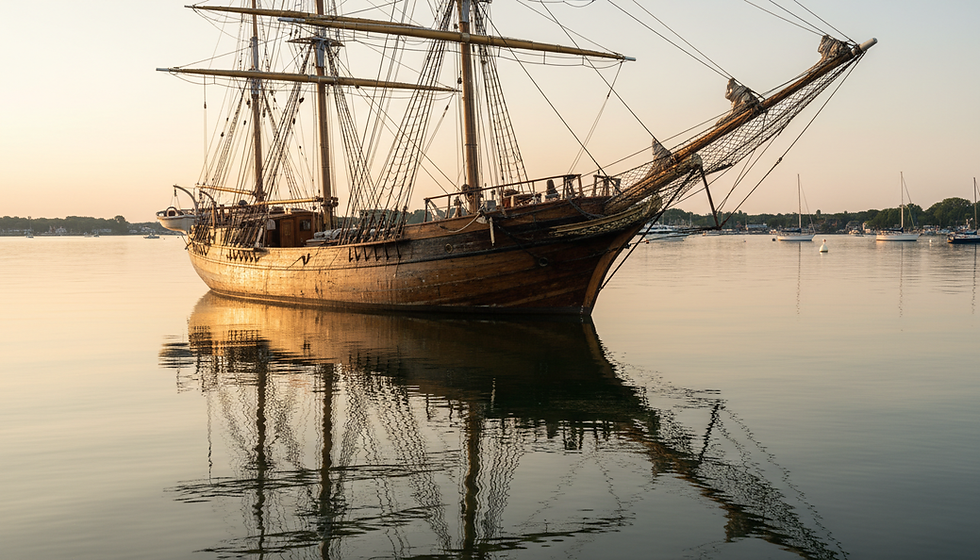
This Fall, World Ocean School is preparing for an upcoming voyage to St. Croix aboard the Denis Sullivan, a traditionally rigged schooner with a powerful role in the school’s hands-on learning model. The trip brings together seamanship, marine science, leadership, and place-based education in one unforgettable setting.
For participants, this is more than travel. It is a chance to live and learn aboard a working vessel, take part in daily shipboard routines, study the ocean up close, and build skills that carry far beyond the water.

The latest news from World Ocean School points south
World Ocean School’s upcoming St. Croix voyage marks an exciting next chapter for students, educators, crew, and supporters who believe the ocean is one of the strongest classrooms in the world.
The journey will take participants toward the Caribbean in the Fall, with St. Croix serving as a meaningful destination for learning about marine environments, island life, weather systems, navigation, and the relationship between people and the sea. The route itself becomes part of the curriculum. Each day offers a new set of conditions, questions, and responsibilities.
Aboard the Denis Sullivan, participants can expect to engage with the work of sailing a tall ship. That may include helping handle lines, standing watch, observing wind and weather, learning basic navigation, and taking part in shipboard chores that keep the vessel safe and ready.
The experience is designed to be active. Instead of sitting back as passengers, participants become part of a shipboard community. They learn by doing, by asking, by trying, and by working together.
That is the heart of World Ocean School’s approach. The ship is not just transportation. It is a setting where responsibility becomes real and learning has immediate purpose.
Why the Denis Sullivan matters to this voyage
The Denis Sullivan is central to the story. A three-masted schooner inspired by 19th-century Great Lakes sailing vessels, she gives participants a rare chance to learn aboard a traditional ship where the movement of every line, sail, and watch station has meaning.
On a modern vessel, much of the work happens behind panels and screens. On a tall ship, the systems are visible. Participants can see how sails catch wind, how shifting weather changes a plan, and how communication shapes safe movement on deck.
That visibility makes the Denis Sullivan a powerful teaching platform.
The ship invites questions:
How does wind become forward motion?
Why does a crew need clear roles?
What does a chart show that a phone screen does not?
How do weather, current, and human judgment work together?
What does it mean to care for a shared space at sea?
The answers come through experience. A line must be coiled. A watch must be kept. A course must be discussed. A deck must be cleaned. Meals must be shared. Small tasks become part of a larger lesson in care, patience, and trust.
The Denis Sullivan also carries history into the present. Her form connects participants to the era of working schooners, when sailing ships moved goods, ideas, and people across waterways. On the voyage to St. Croix, that history becomes more than a chapter in a book. It becomes something participants can feel beneath their feet.
Learning begins the moment participants step aboard
A World Ocean School voyage asks participants to become active members of a crew. That shift is one of the most valuable parts of the experience.
Shipboard life is structured, shared, and practical. Everyone has a role. The day may include educational sessions, deck work, meals, reflection, and watch rotations. At sea, learning does not stay inside one subject area. It moves between science, math, history, communication, and leadership.
Participants may practice skills such as:
Seamanship
Handling lines, learning deck safety, understanding basic knots, and seeing how sails work as part of a larger system.
Navigation
Reading charts, thinking about direction and distance, and learning how mariners make decisions from changing information.
Marine science
Observing ocean conditions, discussing ecosystems, and connecting local waters to broader ocean health.
Leadership
Listening clearly, speaking with purpose, taking responsibility, and supporting the group.
Community living
Sharing space, respecting routines, helping with daily tasks, and learning how cooperation keeps life aboard moving.
These are not abstract lessons. If a participant communicates clearly during a task on deck, the value of that communication becomes clear right away. If someone helps care for shared gear, the whole crew benefits. If conditions change, the group learns how to adapt.
That kind of education stays with people.

St. Croix offers a rich setting for ocean education
St. Croix gives the voyage a strong sense of place. As part of the U.S. Virgin Islands, the island sits in a region shaped by Caribbean waters, trade winds, reefs, coastal habitats, and layered cultural history.
For participants arriving by sea, St. Croix is not just a destination on a map. It is a place to approach with attention. The journey invites them to think about what it means to enter an island environment by water, how coastlines shape communities, and how ocean systems connect distant places.
Educational conversations may include:
The role of coral reefs and coastal ecosystems
Weather patterns and seasonal change in the Caribbean
The history of maritime routes through the region
The importance of responsible travel and respect for local communities
The link between ocean health and daily life on islands
St. Croix can help participants see the ocean as both a natural system and a human one. The sea supports wildlife, carries weather, shapes economies, holds history, and connects communities. A voyage aboard the Denis Sullivan gives those connections shape and scale.
Looking at St. Croix from the deck of a tall ship may also change how participants understand distance. Travel by sail makes time visible. Wind matters. Weather matters. Preparation matters. Arrival feels earned.
That slower pace can open space for deeper observation. Participants may notice cloud formations, water color, seabirds, current, harbor activity, and the way land first appears on the horizon. These details are easy to miss when travel is rushed. At sea, they become part of the lesson.
The voyage builds confidence through shared responsibility
One of the strongest parts of sail training is that confidence grows through real work.
On a tall ship, participants do not need to arrive as experienced sailors. They need curiosity, willingness, and respect for the crew, the vessel, and one another. The learning starts with basic instruction and grows through practice.
A participant who feels unsure at first may learn to call out a command, tie a knot, read part of a chart, or help with a maneuver. Those moments matter. They show that confidence is not something people either have or lack. It can be built through guidance, repetition, and trust.
World Ocean School’s model supports that growth by placing participants in an environment where their actions count. A clean galley, a ready deck, an attentive watch, and a respectful tone all contribute to the safety and health of the group.
That sense of shared responsibility is especially strong at sea. Space is limited. Weather can change. Routines matter. Participants learn that community is not a slogan. It is a daily practice.
The result can be a lasting shift in how participants see themselves. They may leave with a stronger sense of capability, a better understanding of how teams work, and a deeper connection to the ocean.

What participants can expect during the Fall voyage
Every voyage has its own rhythm, shaped by weather, route, crew, and learning goals. Still, participants can expect a few core experiences aboard the Denis Sullivan.
They will likely spend much of their time in a close-knit shipboard setting. Days may begin early. Tasks may rotate. Weather may affect plans. Meals, watches, lessons, and rest all fit into the larger pattern of life at sea.
The learning experience may include:
Daily ship routines
Life aboard a vessel works best when everyone contributes. Participants may help with cleaning, meal support, gear care, and deck readiness. These tasks build accountability and respect for the shared environment.
Sailing and watchstanding
Under crew guidance, participants may learn how watches work and why they matter. Keeping watch teaches attention, patience, and awareness of surroundings.
Observation and reflection
The ocean gives participants a constant source of questions. Reflection, conversation, and journaling can help turn those observations into learning.
Science in context
Marine science comes alive when participants are surrounded by the subject. Water quality, weather, ecosystems, and conservation all become easier to understand when the ocean is right there.
Leadership in action
A voyage creates many chances to practice leadership. Sometimes leadership means speaking up. Sometimes it means listening carefully, helping quietly, or staying calm when a task feels difficult.
This blend of structure and discovery is what makes the trip powerful. Participants are not only learning about the ocean. They are learning with it.
Why this news matters beyond one voyage
The upcoming St. Croix voyage is exciting on its own, but it also reflects a larger need. Young people and communities need meaningful ways to connect with the ocean. They need experiences that build knowledge, confidence, care, and responsibility.
Classrooms remain essential. Books, labs, and discussions all matter. Aboard a ship, those lessons gain texture.
When someone learns navigation at sea, math becomes practical. When someone stands watch, attention becomes a skill. When someone works beside others in changing conditions, teamwork becomes necessary. When someone reaches a Caribbean island by sail, geography becomes lived experience.
That is why this voyage matters. It takes education out of the abstract and places it in wind, water, routine, and shared effort.
It also invites a wider community to get involved. Families, educators, alumni, volunteers, donors, and ocean advocates all play a part in making programs like this possible. Support can take many forms, from spreading the word to helping more participants access life-changing learning at sea.
World Ocean School Sets Sail for St Croix This Fall Aboard the Denis Sullivan is a headline with movement in it, but it is also a reminder. Ocean education grows stronger when a community believes in it.

How to get involved as the voyage approaches
The Fall voyage to St. Croix offers a clear invitation: follow the journey, share the news, and look for ways to support hands-on ocean education.
For those interested in participating, the next step is to watch for updates from World Ocean School about program details, eligibility, preparation, and voyage plans. For families and educators, this is a chance to start conversations about what students gain from experiential learning. For supporters, it is a moment to help keep transformative programs within reach.
The Denis Sullivan will carry more than sails on the trip south. She will carry questions, responsibility, teamwork, and the kind of learning that stays with participants long after they step back onto shore.
This Fall, the route to St. Croix will be a classroom, the ship will be a teacher, and the ocean will do what it has always done best: open a wider view of the world.